Macro Education and Insights
Navigating Geopolitical Risks in Global Trade: Insights from JP Morgan Interview with Peter Zeihan
Gain valuable insights into navigating geopolitical risks in global trade with expert Peter Zeihan. Understand the impact of demographic shifts and geopolitical tensions on trade dynamics.


Introduction to Peter Zeihan Interview:
In an increasingly interconnected world, geopolitical tensions have become a significant factor influencing global markets and trade dynamics. As we witness shifts in power, demographic changes, and emerging conflicts, it’s crucial to gain insights from experts who can shed light on these complex issues to make more informed trading decisions. One such expert is Peter Zeihan, a renowned geopolitical strategist, whose recent appearance on “Talks of the Trade” provided valuable perspectives on the current state of global affairs. Watch the full interview here:

The short answer
Peter Zeihan’s main point in the JP Morgan interview is that demographic shifts are moving the world from globalisation into an era of heightened geopolitical tension. Ageing populations in countries like Korea, China, Italy and Germany challenge traditional trade models. He still sees the US dollar as robust, warns that rising capital costs make energy transition projects harder to finance, and highlights Mexico, Central America and Southeast Asia as manufacturing and trade hubs.
Understanding the Transition:
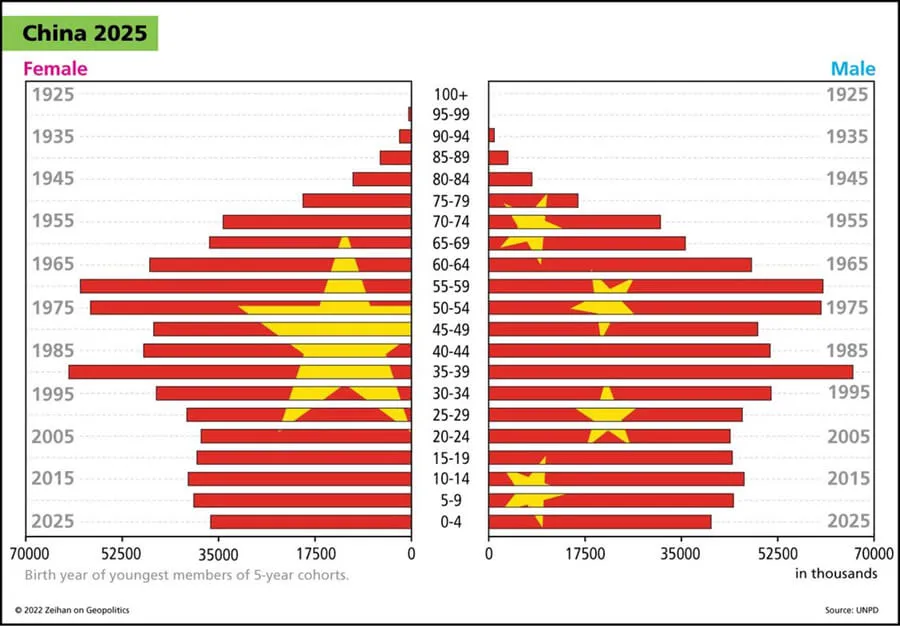
Starting out the interview, Zeihan delves into the transition from a period of increased globalization to the present era marked by heightened geopolitical tensions. He highlights demographic shifts as a key catalyst for this transition, emphasizing how the movement of populations from rural to urban areas has led to significant changes in workforce demographics. This shift, particularly evident in countries like Korea, China, Italy, and Germany, has far-reaching implications for global trade and economic stability.
Implications of Demographic Trends:
The discussion with Zeihan underscores the profound impact of demographic trends on economic systems worldwide. As populations age and working-age adults become scarce, traditional models of global trade and investment face unprecedented challenges. Zeihan’s insights prompt a re-evaluation of long-held assumptions about the sustainability of current economic structures.
Currency Dynamics and Trade:
Zeihan provides a nuanced perspective on the challenges to the dominance of the United States dollar in international trade. Contrary to popular belief, he argues that the dollar remains a robust currency due to the stability of the U.S. consumption-driven system. His analysis highlights the complexities of currency markets and underscores the importance of understanding underlying economic fundamentals.
Meeting Production Targets in Transition Goals:
Addressing the pressing need for sustainable energy production, Zeihan emphasizes the importance of leveraging existing technologies and geographic advantages. By focusing on renewable energy sources such as wind and solar power, coupled with strategic infrastructure investments, countries can make significant strides towards achieving net-zero emissions targets. However, Zeihan warns of the financial challenges inherent in financing such projects, pointing to escalating capital costs as a potential impediment to progress.
Assessing Geopolitical Risks:
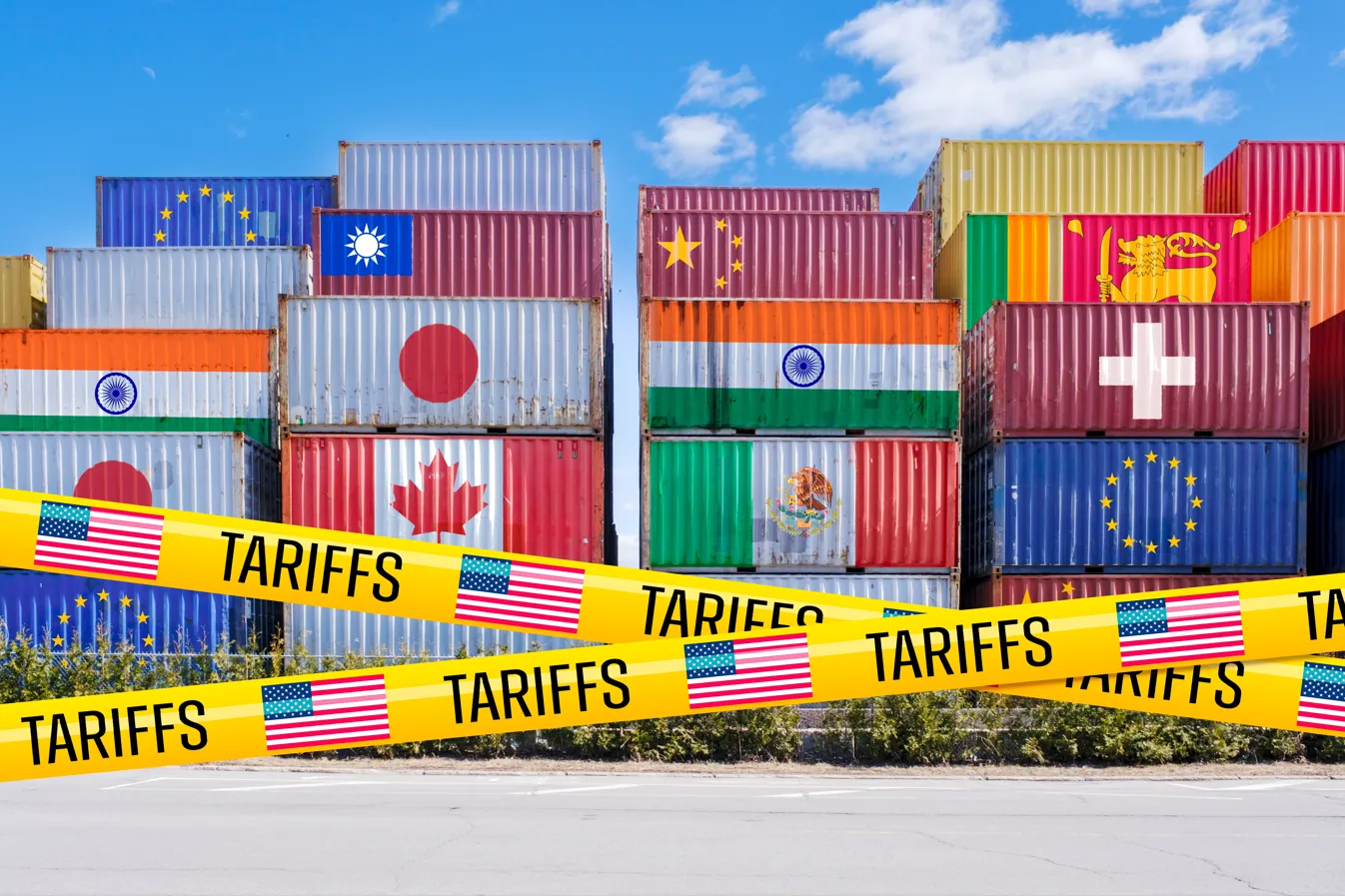
In light of ongoing conflicts and geopolitical tensions, Zeihan offers insights into potential areas of concern for global trade. From the Ukraine crisis to tensions in the Middle East, he highlights the interconnected nature of regional conflicts and their impact on key industries such as energy and commodities. Zeihan’s analysis underscores the importance of strategic planning and risk mitigation strategies for multinational corporations operating in volatile regions.
Opportunities for Diversification:
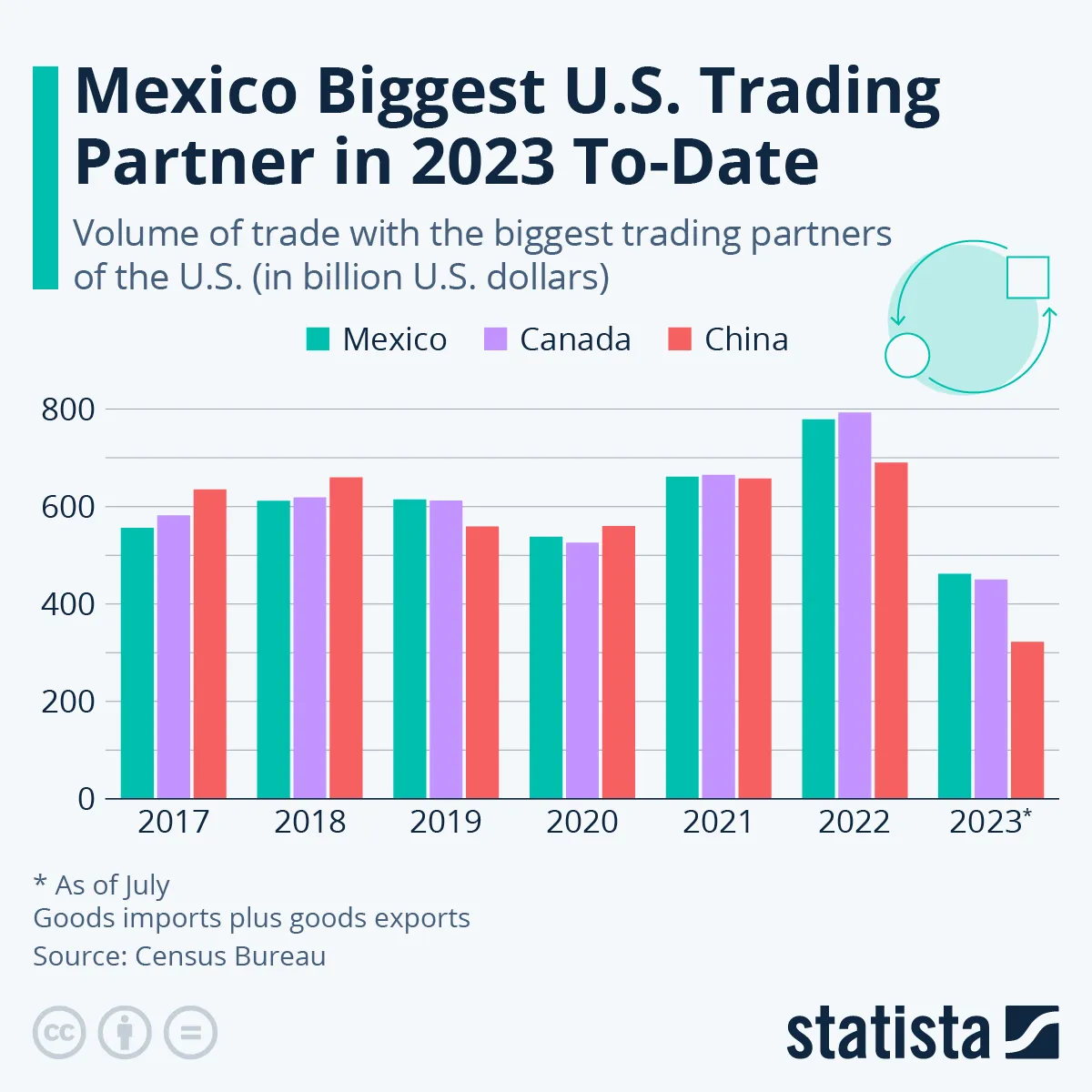
Despite the challenges posed by geopolitical uncertainties, Zeihan identifies opportunities for diversification and strategic expansion. He highlights regions such as Mexico, Central America, and Southeast Asia as potential hubs for manufacturing and trade. By capitalizing on demographic advantages and investing in infrastructure, countries can position themselves as attractive destinations for multinational corporations seeking to mitigate geopolitical risks.
Conclusion:
In a rapidly changing geopolitical landscape, insights from experts like Peter Zeihan offer invaluable guidance for navigating global trade dynamics and understanding risks and opportunities within our trading. By understanding the underlying drivers of geopolitical tensions and demographic shifts, businesses and policymakers may adapt their strategies to mitigate risks and capitalize on emerging opportunities. Understanding these dynamics can allow us to make more informed decisions and enable us some perspective in forecasting themes and changes into the future.
Frequently Asked Questions
What does Peter Zeihan say is driving the shift away from globalisation?
Zeihan highlights demographic shifts as the key catalyst. The movement of populations from rural to urban areas has changed workforce demographics, particularly in Korea, China, Italy and Germany. As populations age and working-age adults become scarce, traditional models of global trade and investment face unprecedented challenges.
Does Peter Zeihan think the US dollar will lose its dominance?
No. Contrary to popular belief, Zeihan argues that the US dollar remains a robust currency because of the stability of the US consumption-driven system. His view is a reminder that currency markets are complex and depend on underlying economic fundamentals.
Which regions does Peter Zeihan see as opportunities?
Zeihan highlights Mexico, Central America and Southeast Asia as potential hubs for manufacturing and trade. By using their demographic advantages and investing in infrastructure, these regions can become attractive destinations for multinational corporations looking to reduce geopolitical risk.
Disclaimer
The content provided in this article is for informational purposes only and should not be construed as financial advice. The information presented is based on the author’s research and understanding of the subject matter at the time of writing. It is important to note that investing and financial decisions involve risks, and individuals should conduct their own research or consult with a qualified financial advisor before making any investment decisions. The author and publisher of this article are not responsible for any actions taken as a result of the information provided herein.